
When we talk about low embodied carbon materials, the focus often lands on what happens before a product reaches site: raw materials, manufacturing, transport and installation. Those figures matter, but they are only part of the material story.
Reuse should be prioritised wherever practical, but commercial projects will still require new materials. When they do, there is another question worth asking: how much value will that material continue to deliver from the carbon invested in it?
For Baresque, that means looking beyond a single sustainability attribute and considering design, performance, durability and environmental information together. It is about making material choices that continue to work for the space well beyond installation.
Key Takeaways
Upfront carbon is only part of the picture.
Longer service life can reduce repeated replacement.
One material can deliver several design outcomes.
Recycled content does not automatically mean circular.
End-of-life outcomes matter too.
Verified environmental data supports better specification.

Looking Beyond Low Embodied Carbon Materials at Installation
Commercial interiors rarely stand still. Tenants change, brands evolve and spaces are refreshed to meet new functional requirements, often long before the base building reaches the end of its useful life.
That matters because repeated fitouts can compound material impacts over the life of a building. The Green Building Council of Australia reports that fitouts can account for around 32% of a building's lifecycle carbon emissions, while interiors are typically replaced every five to seven years.
Looking at whole-of-life carbon therefore means asking more than what a product's upfront carbon figure is. Specifiers also need to consider service life, maintenance, ongoing performance, replacement frequency and what happens when the original fitout ends.
A lower impact at installation is valuable, but the material also needs to be appropriate for the job and capable of staying there. Long-term value complements carbon reduction by looking at what happens after a product has been specified.
Can One Material Deliver More Than One Outcome?
Material value is not only about how long something lasts. It is also about how much it contributes while it is there, both functionally and visually.
Baresque's range of acoustic panels shows how acoustic performance can become part of the visual language of a commercial interior rather than being treated as a separate technical requirement. Depending on the application, acoustic materials can contribute to:
sound absorption
colour and texture
feature surfaces
visual identity
spatial definition
This is where multifunctionality becomes valuable. A well-considered acoustic solution can respond to both performance and design requirements within the same material application, giving designers more from what they choose to specify.
The sustainability conversation therefore needs to go beyond recycled content alone. What matters is how effectively a material performs its intended role, supports the design and continues to deliver useful value throughout its service life.
Baresque also offers acoustic baffles, acoustic clouds, acoustic tiles and acoustic ceiling panels. These give designers different ways to integrate acoustic performance into walls, ceilings and feature applications without treating acoustics as an afterthought.


Will the Material Perform for Years, Not Just at Handover?
A specification can look impressive on opening day and still be poorly suited to what happens next. Commercial interiors deal with impact, abrasion, regular cleaning and constant use, so performance over time matters just as much as the initial finish.
When materials deteriorate prematurely, the response can involve repair, refinishing or complete replacement. That makes material durability and service life part of the long-term value equation.
Before specifying, consider:
How will the material respond to everyday wear?
Can it withstand the cleaning regime required?
Can damaged areas be repaired?
What maintenance will it need?
How frequently is replacement realistically expected?
Baresque's P3TEC Advanced Wall Protection demonstrates this performance-led approach. The range is designed for high-use environments, with resistance to impact, staining and abrasion. Harbor Stripe, for example, is specified by Baresque as resistant to impact, chemicals and abrasion.
Durability alone does not make a product sustainable, and it should not be treated as a standalone environmental claim. But when environmental impact and performance are assessed together, service life becomes an important part of responsible material selection.
Recycled Content Is Only One Measure of Material Value
Recycled content is easy to understand and communicate, which makes it a useful consideration during specification. However it is most meaningful when considered alongside the broader performance and long-term value of a material.
End-of-life performance can introduce another dimension. As part of Baresque's Spring 2026 collection, four new vinyl products will feature Hyphyn technology, a biodegradable performance material designed to maintain the qualities expected from performance vinyl while addressing what happens once the material reaches landfill.
Hyphyn reports that the material biodegrades by more than 90% within 24 months under landfill conditions. Rather than looking only at what goes into a product at the beginning of its life, this gives designers another consideration: what happens to that material once its useful life has come to an end.
This broader view encourages designers to follow a material through its lifecycle. Where did it come from? How long will it remain useful? Can its life be extended? What happens when it is no longer required?
Together, those questions provide a more complete view of material value than relying on recycled-content percentages alone.
Consideration | What it tells the specifier |
Recycled Content | How much recovered material is incorporated into the product |
Recyclability | Whether the material can potentially enter a recycling stream |
Repairability | Whether damage can be addressed without full replacement |
Reuse potential | Whether the product can serve another useful application |
Recoverability | What can realistically happen to the material at end of life |
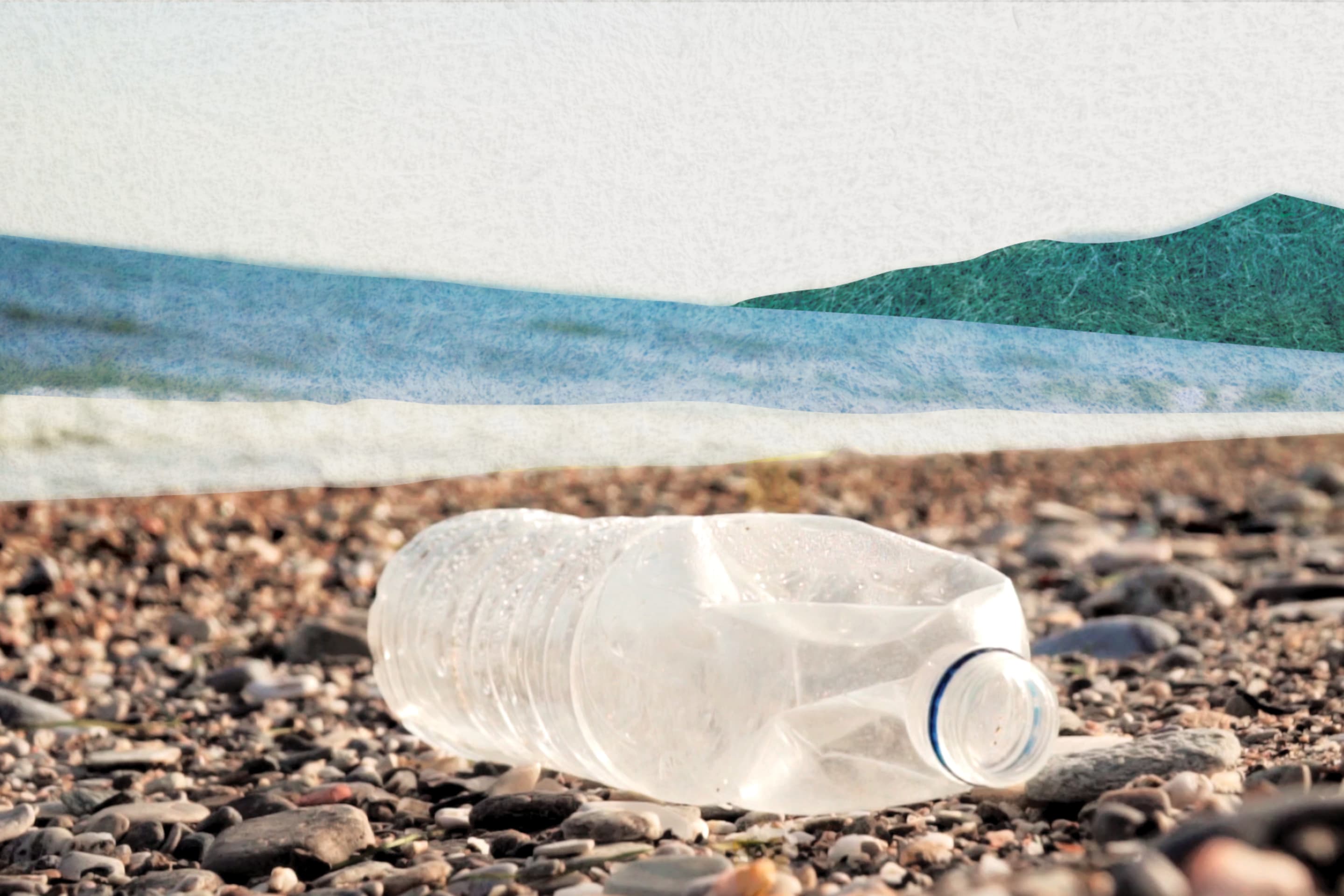
Zintra is comprised of 100% recyclable materials, including 60% post-consumer recycled content from PET bottles
Can the Material's Environmental Claims Be Verified?
Good specification depends on good information. Environmental Product Declarations, lifecycle assessment data, verified recycled-content information, third-party certifications and service-life information can help designers understand what sits behind an environmental claim.
These documents provide evidence rather than an automatic sustainability label. They give specifiers more information to compare products and assess whether the claims being made are relevant to the project.
Useful product information can help with:
comparing material options
responding to project sustainability requirements
supporting Green Star or client reporting
checking claims before they enter a specification
making decisions that can be explained and supported
Baresque provides technical documentation across relevant product ranges so designers can consider environmental information alongside acoustic performance, durability, installation and maintenance. Bringing those considerations together supports a more informed specification process.
What Does Long-Term Material Value Look Like?
There is no single material attribute that defines long-term value. It comes from considering how performance, durability, design, end-of-life outcomes and environmental information work together.
For commercial interiors, that could mean recycled PET acoustic solutions that combine acoustic and visual performance, advanced wall protection selected for demanding high-use environments, or new material technologies that consider what happens after a product's useful life.
A useful way to approach specification is to ask three questions: How well will it perform? How long is it likely to remain useful? What evidence supports the claims being made? Together, those questions create a more complete picture of the value a material can deliver.
Specify for Value That Lasts
Responsible specification is not simply about choosing the material with the lowest number attached to it, nor is it about justifying unnecessary impact because a product performs well. It means considering environmental impact, performance, longevity, end-of-life outcomes and measurable information together, then choosing materials that are genuinely fit for their intended environment.
Baresque brings together interior solutions designed to meet both creative and commercial requirements, from high-performance acoustic applications and durable wall finishes to emerging material technologies. Explore Baresque's range to find materials designed not simply for installation, but to continue delivering value throughout and beyond their useful life.