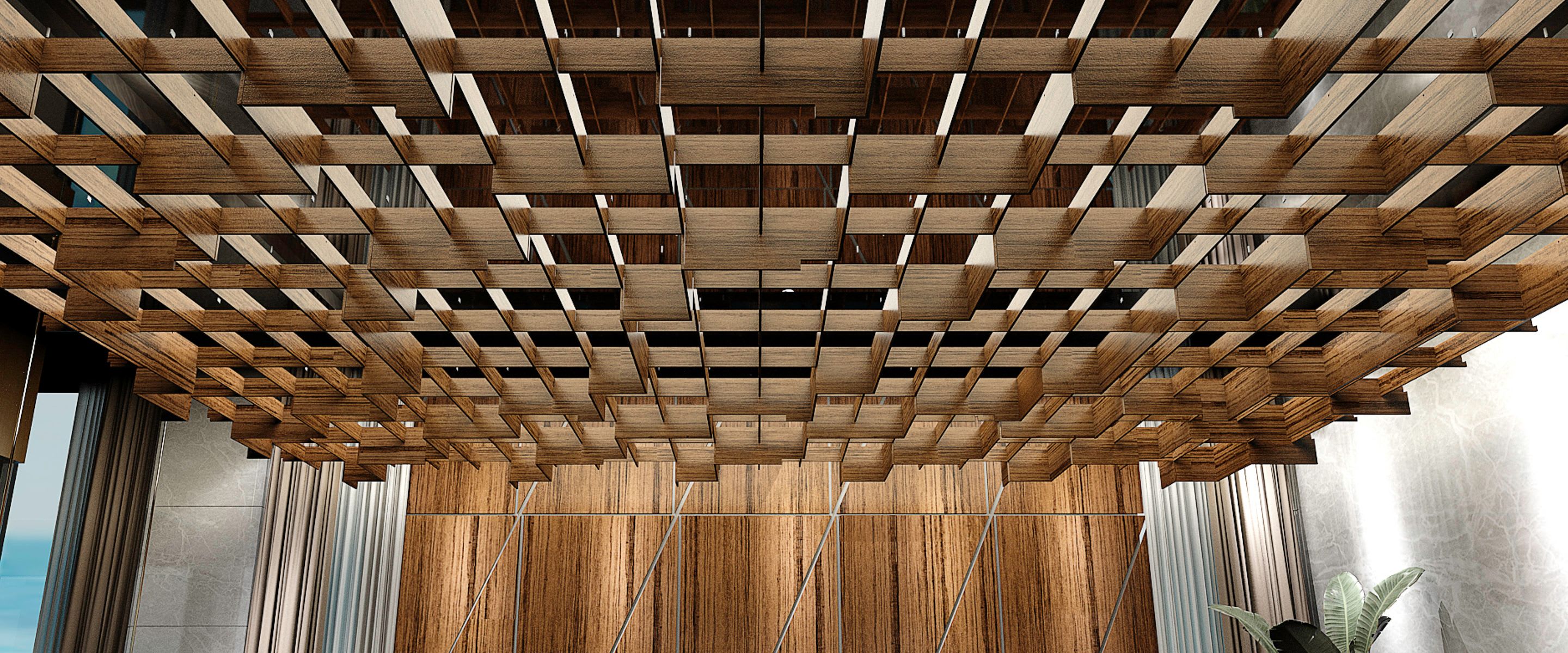
Have you ever specified a high-performance acoustic timber baffle for a boardroom, only to find you can still hear every word of the sensitive meeting next door? Or perhaps you’ve filled an open-plan office with beautiful acoustic clouds, only for the staff to still complain about noise levels?
In the world of Australian commercial fitouts, the numbers on a data sheet only tell half the story. The secret to a successful interior isn’t just picking the highest rating; it’s picking the correct rating for the specific problem. Whether you are designing a high-stakes corporate office, a bustling hospitality venue, or a serene healthcare fitout, understanding the nuance of acoustic rating systems is the difference between a space that feels chaotic and one that feels well considered.
Why acoustic ratings matter in interior spaces
Acoustics are the invisible architecture of a room. They impact everything from patient recovery in hospitals to student focus in classrooms. In Australia, we design with high-performance hard surfaces - polished concrete, glass, and timber - which look stunning but are acoustically reflective.
Common challenges include:
Reverberation (Echo): Sound bouncing off hard surfaces, making speech muddy.
Cross-talk: Sound travelling through shared ceiling voids or "plenums."
Sound Transmission: Airborne noise leaking through walls or partitions.
At Baresque, we believe technical performance shouldn't compromise aesthetic intent. By matching the right rating to your design, you ensure the space functions as beautifully as it looks.

What is NRC? (Noise Reduction Coefficient)
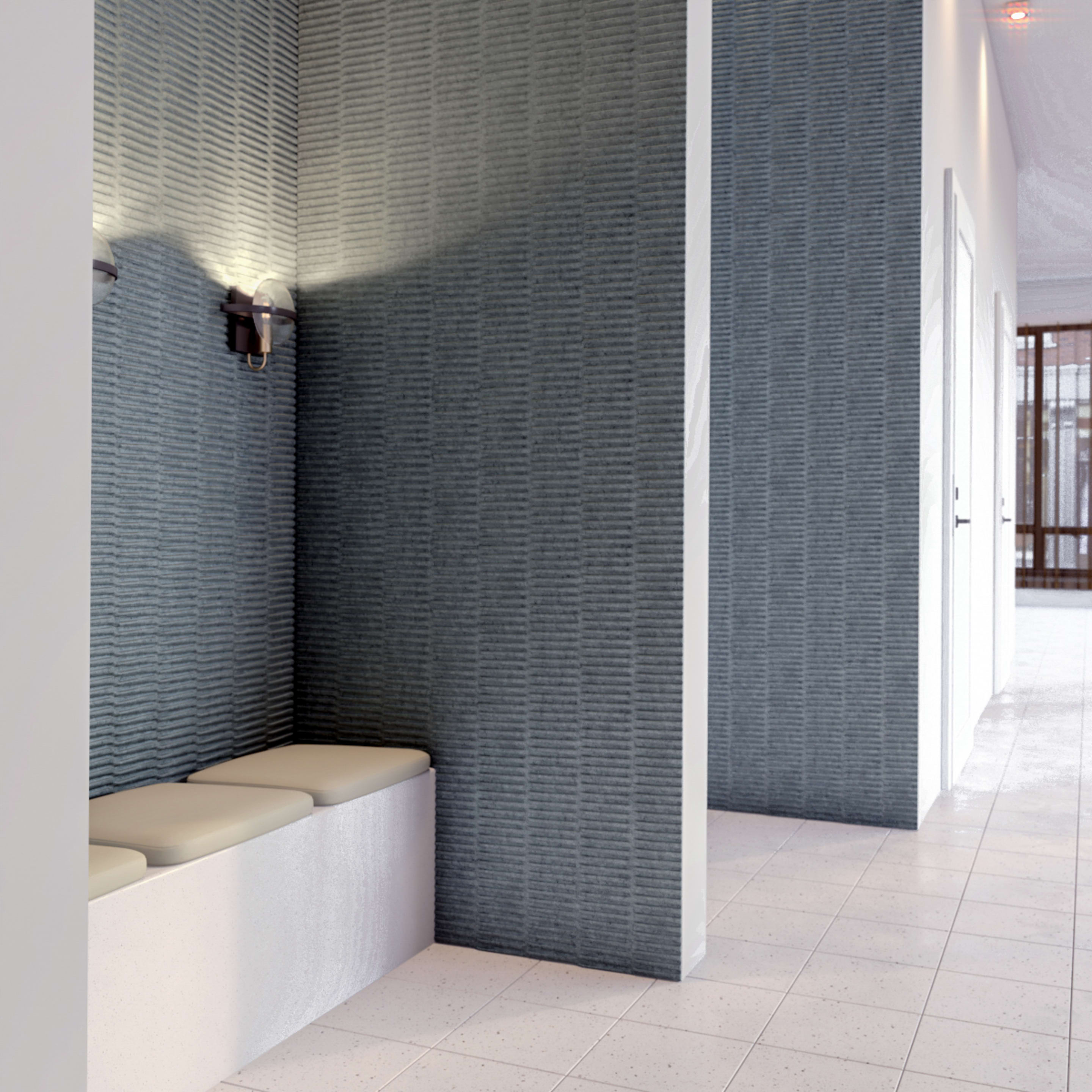
NRC measures sound absorption. It tells you how much sound a material "soaks up" rather than reflecting back into the room. It is measured on a scale of 0.0 to 1.0 or higher (though three-dimensional products can exceed 1.0).
Where NRC is most effective
NRC is your primary tool for solving reverberation. If a restaurant is too loud to hold a conversation or an office feels "echoey," you need high-NRC materials.
Open-plan offices: Use to catch lateral noise.
Education: High-NRC wall panels improve speech clarity for teachers.
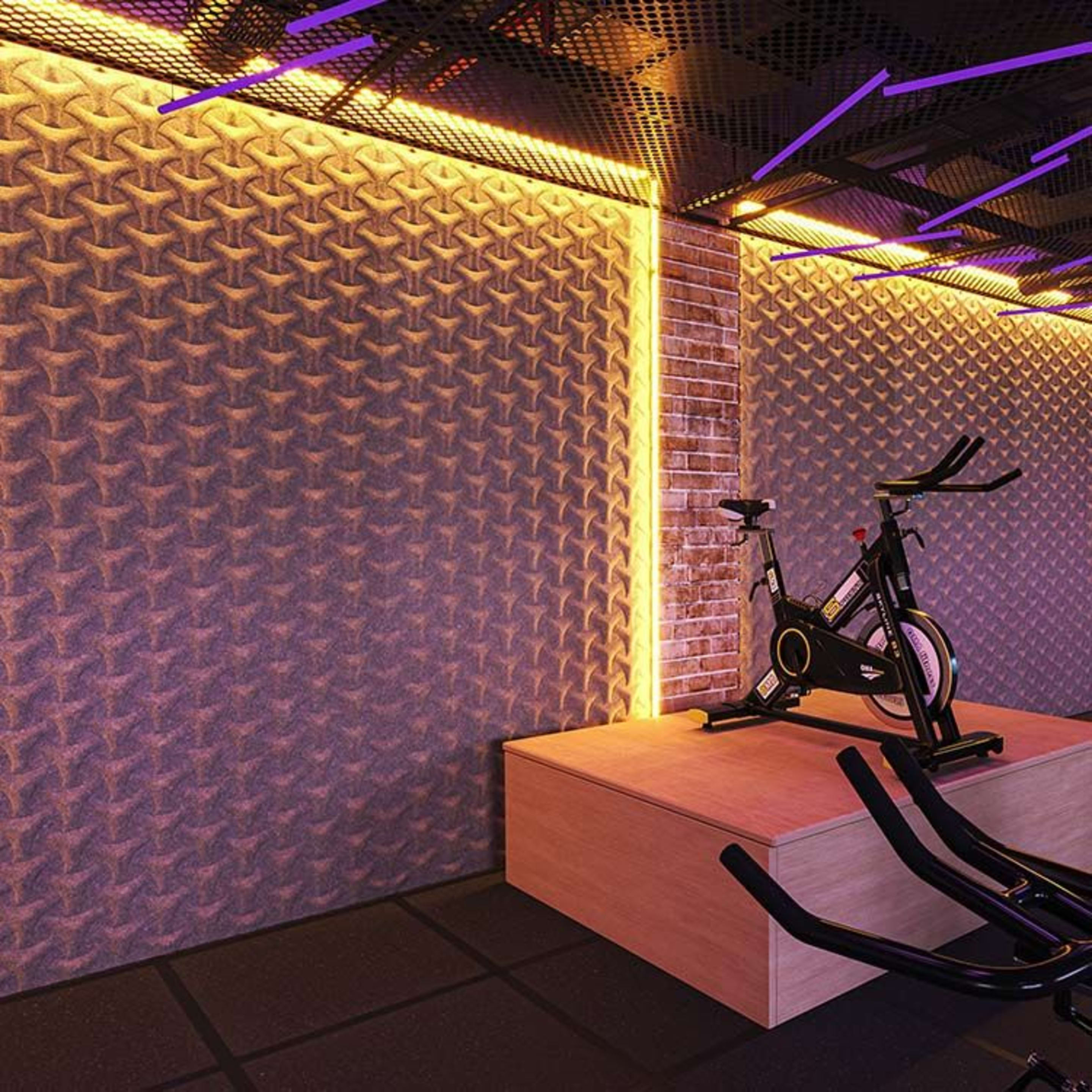
Hospitality: Absorb the "clatter" while maintaining the "vibe."
What NRC does not solve
NRC does not stop sound from leaving the room. A high-NRC panel on a thin wall will make the room sound better inside, but the person on the other side of that wall will still hear you.
What is CAC? (Ceiling Attenuation Class)
CAC measures sound transmission through a shared ceiling plenum. In many Australian commercial fitouts, partition walls stop at the suspended ceiling grid rather than extending wall-to-deck (all the way up to the concrete slab). This creates a hidden cavern, a shared ceiling void - here airborne noise can easily bypass the wall entirely.
Where CAC is important
If you are designing private meeting rooms, executive offices, or a healthcare fitout with consultation rooms, the NRC vs CAC relationship becomes critical for speech privacy:
The Pitfall: If you specify a ceiling element with fantastic sound absorption (high NRC) but terrible sound blocking properties (low CAC), voices will pass straight through the ceiling, travel over the wall partition line, and leak into the adjacent room.
The Benchmark: A CAC rating below 25 represents low sound attenuation, meaning conversations can be easily overheard. A rating of 35+ indicates high sound insulation performance.
Product Application: Solving the Plenum Problem
How do you resolve this without ruining your design aesthetic with industrial, clinic-style ceiling tiles?
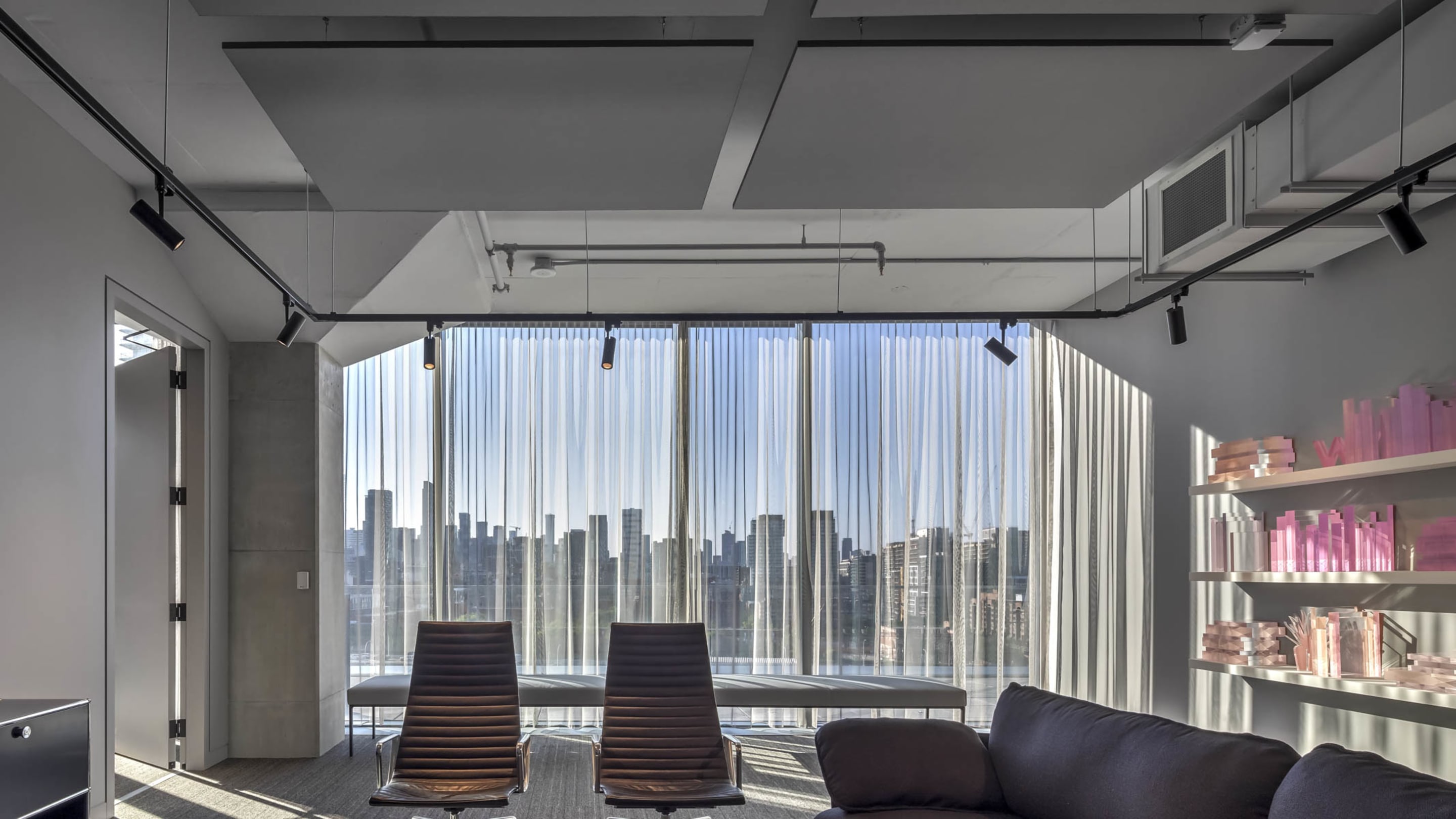
Combine Visual Treatments with Barrier Backings: If you are using suspended acoustic baffles or acoustic clouds to manage the noise level inside an open-plan office, ensure the underlying ceiling grid features a high-CAC substrate to contain confidential discussions in adjacent rooms.
Treat the Flanking Paths: Instead of looking at the ceiling in isolation, use high-performance acoustic panels as wall linings inside the quiet spaces. By pairing a high-CAC ceiling system with dense wall absorptions, you catch the remaining sound pressure levels before they hit the ceiling void, effectively eliminating common flanking paths and keeping private conversations private.


What is STC and how does it relate to Rw?
While NRC and CAC often focus on ceilings and surface treatments, STC (Sound Transmission Class) focuses on the wall assembly itself.
The Australian Translation: STC vs Rw
In Australia, you will frequently see Rw (Weighted Sound Reduction Index) in the Building Code and acoustic engineer reports. While STC is the American standard, Rw is the International / Australian equivalent. They both measure decibel reduction through a building assembly.
NRC vs STC: NRC is for inside the room (absorption); STC/Rw is for between rooms (insulation).
Higher Rw/STC numbers mean better sound insulation and less airborne noise transfer.
Where STC/Rw matters most
Meeting rooms: Ensuring confidential stays confidential.
Hotel rooms: Blocking the sound of a TV in the adjacent suite.
Multi-residential: Compliance with sound transmission standards between apartments.
Which rating should you prioritise?
If the problem is... | Use this rating | Priority Solution |
"It’s too echoey in here." | NRC | Acoustic panels, Baffles, or Tiles. |
"I can hear the office next door through the ceiling." | CAC | High-attenuation acoustic tiles. |
"I can hear the office next door through the wall." | STC / Rw | Wall construction, sealing gaps, and high-mass partitions. |
What is often overlooked in acoustic design
Relying on a single metric is a common pitfall. To achieve true workplace acoustics success, consider:
Flanking Paths: Sound is like water; it finds the easiest gap. Check door seals and power point penetrations.
Coverage & Placement: You don’t always need 100% coverage. Strategic placement of at head height is often more effective than full coverage in the wrong places.
Form & Thickness: Thicker materials handle lower sound pressure levels (bass) better than thin ones.
Common specification mistakes
Confusing NRC with Soundproofing: Adding 12mm acoustic baffles to a ceiling won't stop the noise from the gym upstairs.
Ignoring the Plenum: Specifying a high-NRC tile with a low CAC in a space that requires privacy.
The "Same Solution" Trap: Applying the same acoustic strategy to a quiet library as you would a high-energy breakout zone.
Designing with Confidence
Successful acoustic design is about balancing acoustic performance with the intended soul of the space. By identifying whether you are solving for echo (NRC), cross-talk (CAC), or transmission (STC/Rw), you can specify with certainty.
Baresque’s range of acoustic solutions are designed to translate these technical requirements into beautiful, workable outcomes. Don't just tick a compliance box -create an environment where people want to be.